
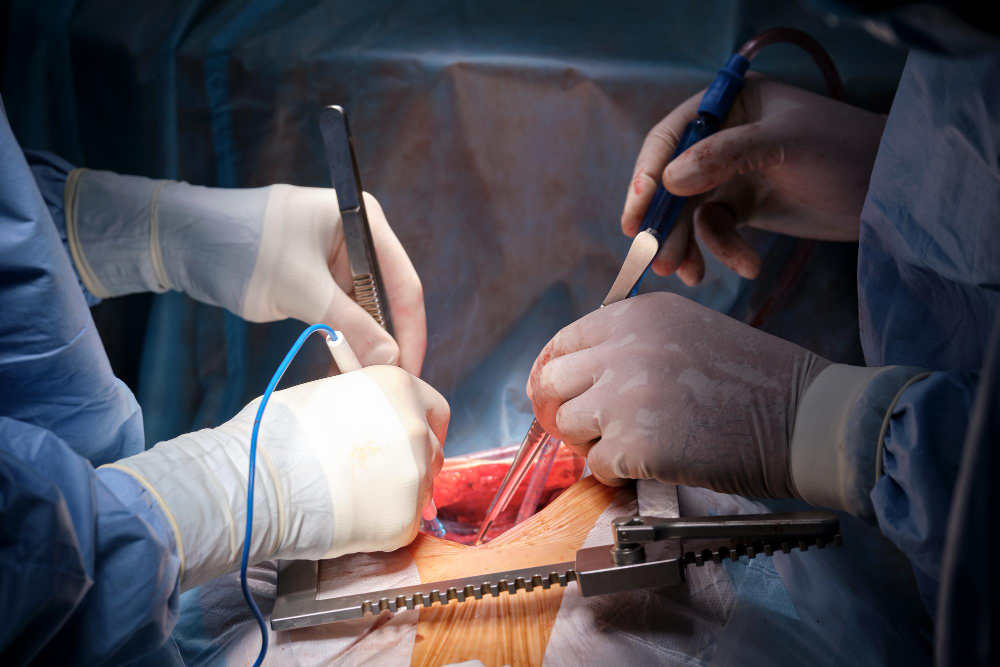
Introduction to Mitral Valve Repair
Mitral valve repair is a heart procedure that fixes problems with the mitral valve. This valve helps control blood flow between the heart’s chambers. When it does not work well, your heart cannot pump blood properly. As a result, you may feel tired or short of breath. Early treatment can help you live a healthier life. Many people need mitral valve repair to improve heart function and prevent serious issues. According to the American Heart Association, timely repair can reduce symptoms and improve quality of life.
Symptoms Indicating the Need for Mitral Valve Repair
Sometimes, mitral valve problems do not cause symptoms right away. However, as the condition gets worse, you may notice changes. For example, you might feel:
If you notice these symptoms, it is important to talk to your doctor. Early care can prevent more serious heart problems.
Common Causes Leading to Mitral Valve Problems
Mitral valve issues can happen for many reasons. Some common causes include:
Because these causes vary, your doctor will look for the reason behind your valve problem before planning treatment.
Diagnostic Methods for Mitral Valve Issues
Doctors use several tests to find out if you need mitral valve repair. For instance, they may use:
With these tests, your doctor can decide if mitral valve repair is right for you.
Mitral Valve Repair Procedures: Surgical and Minimally Invasive
There are two main ways to repair the mitral valve. Your doctor will choose the best option for you.
Traditional Open-Heart Surgery
In this method, surgeons open the chest to reach the heart. They fix or reshape the valve using stitches or a ring. Although recovery takes longer, this method is very effective for complex cases.
Minimally Invasive Mitral Valve Repair
For some patients, doctors use smaller cuts and special tools. This approach means less pain and a faster recovery. Sometimes, a robot helps guide the surgery. Minimally invasive mitral valve repair is becoming more common in many hospitals.
Both methods aim to restore normal blood flow and reduce symptoms. Your care team will explain which approach is safest for you.
Recovery Process and Aftercare Tips
After mitral valve repair, recovery is important. Most people stay in the hospital for a few days. While in the hospital, nurses and doctors watch your heart closely. Once you go home, you should:
For example, walking each day can help you regain strength. However, avoid heavy lifting until your doctor says it is safe. With proper care, most people return to normal activities within a few weeks to months.
Prevention and Lifestyle Guidance for Heart Health
Even after repair, you can take steps to protect your heart. For instance, you can:
Because heart health is a lifelong journey, these habits can help prevent future problems.
Risks and Potential Complications
Like any surgery, mitral valve repair has risks. However, most people recover well. Possible risks include:
Your doctor will discuss these risks before surgery. With skilled care, serious problems are uncommon. According to the CDC, most patients have good outcomes after heart valve surgery.
Frequently Asked Questions About Mitral Valve Repair
Conclusion
Mitral valve repair can help you feel better and protect your heart. If you have symptoms or concerns, do not wait. Consult Dr. Surendra Gangawane for expert guidance on mitral valve repair and personalised heart care.