
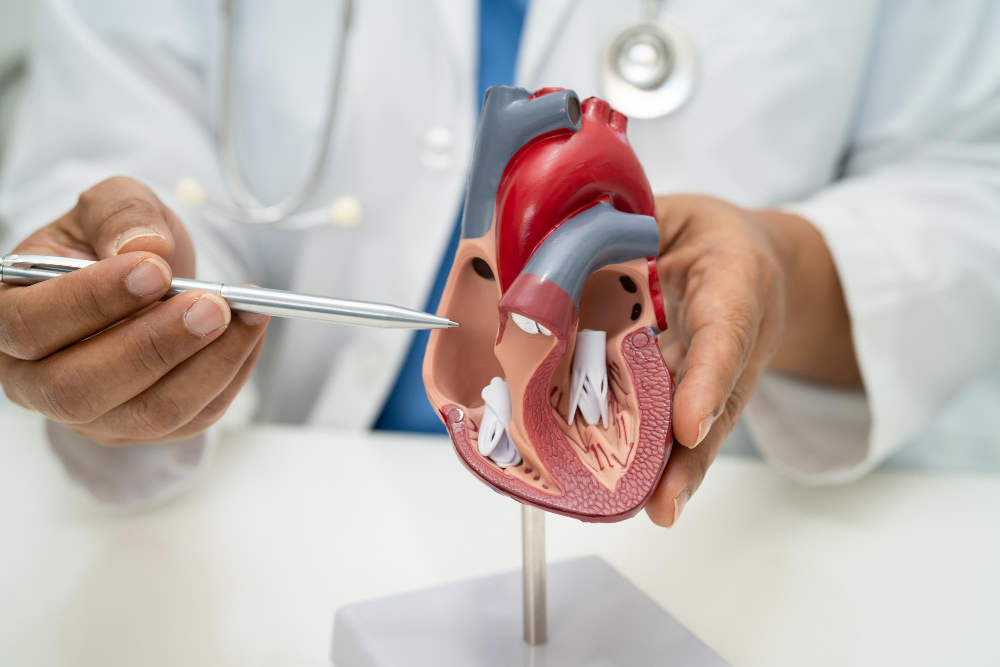
What is Coronary Angioplasty?
Coronary angioplasty is a minimally invasive heart treatment. Doctors use it to open blocked or narrowed blood vessels in the heart. These vessels, called coronary arteries, supply blood to your heart muscle. When they get blocked, your heart does not get enough oxygen. As a result, you may feel chest pain or even have a heart attack. During angioplasty, a small balloon is used to widen the artery. Often, a tiny tube called a stent is placed to keep the artery open. This heart stent procedure helps restore normal blood flow.
Symptoms and Conditions Leading to Angioplasty
Many people need coronary angioplasty because of blocked arteries. Usually, these blockages cause symptoms such as:
Sometimes, doctors suggest angioplasty after a heart attack. In other cases, it is used when medicines do not control symptoms. If you have these signs, your doctor may recommend tests to check your heart.
Causes and Risk Factors
Blocked arteries are the main reason for needing coronary angioplasty. Several factors can increase your risk, such as:
Because these risks add up over time, making healthy choices is important. Even so, some people may still need treatment due to genetics or other factors.
How Coronary Angioplasty is Performed (Procedure Overview)
First, doctors give you medicine to help you relax. Then, they insert a thin tube, called a catheter, into a blood vessel in your arm or leg. Next, they guide the catheter to the blocked artery in your heart. A small balloon at the tip is inflated to push the blockage aside. In most cases, a stent is placed to keep the artery open. The balloon is then removed, but the stent stays in place. Because this is a minimally invasive heart treatment, recovery is usually quick. The whole process often takes one to two hours.
Benefits and Risks
Coronary angioplasty offers many benefits. For example, it can:
However, like any procedure, there are some risks. These may include:
Still, most people have a safe and successful procedure. According to the American Heart Association, serious problems are rare.
Recovery and Aftercare
After coronary angioplasty, you will rest in the hospital for a few hours or overnight. Because the procedure is minimally invasive, most people go home the next day. Here are some tips for a smooth angioplasty recovery:
Usually, you can return to normal activities within a week. However, always check with your doctor before resuming exercise or work.
Prevention and Lifestyle Tips
Even after a heart stent procedure, healthy habits are key. To help prevent future blockages, try these tips:
Because heart health is lifelong, small changes can make a big difference. The World Health Organization recommends regular check-ups to monitor your heart.
Conclusion
Coronary angioplasty is a safe and effective way to treat blocked heart arteries. It can quickly relieve symptoms and help you return to your daily life. However, it is important to follow your doctor’s advice and make healthy lifestyle choices. If you have questions about coronary angioplasty or heart stent procedures, consult Dr. Surendra Gangawane, a cardiologist, for personalized advice.