
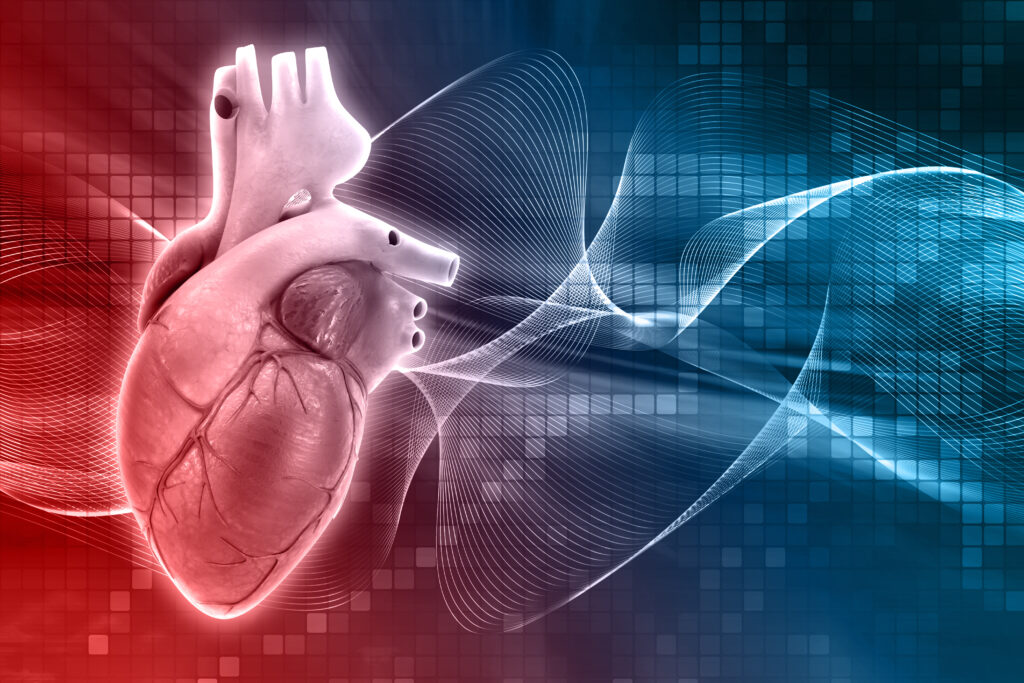
What is the Cardiac Cycle?
The cardiac cycle is the process your heart goes through to pump blood. It includes all the steps from one heartbeat to the next. During this cycle, the heart fills with blood and then pushes it out to the body. Because the cardiac cycle keeps blood moving, it is key to heart function. Understanding the cardiac cycle helps explain how the heart works and why each heartbeat matters.
Phases of the Cardiac Cycle
Every heartbeat has several steps. Each step is important for moving blood. Let’s look at the main phases of the cardiac cycle:
Why is the Cardiac Cycle Important?
Clearly, the cardiac cycle is vital for life. Without it, blood would not reach your organs. As a result, your body would not get oxygen or nutrients. The cycle also removes waste from your body. In short, a healthy cardiac cycle keeps you alive and active.
How the Cardiac Cycle Affects Heart Health
When the cardiac cycle works well, your heart pumps blood smoothly. However, if there are problems, your heart may not pump enough blood. For example, heart disease can slow or change the cycle. This can lead to tiredness, shortness of breath, or even serious illness. Therefore, keeping the cardiac cycle healthy is important for your whole body.
Common Questions about the Cardiac Cycle
Tips for Maintaining a Healthy Heart
There are many ways to support your heart and the cardiac cycle. For example, you can:
Because these steps help your heart, they also support a healthy cardiac cycle.
If you have concerns about your heart health, consult a cardiologist Surendra Gangawane for personalized advice.